Featured Articles
Popular Articles
-
 Dremio Blog: Open Data Insights
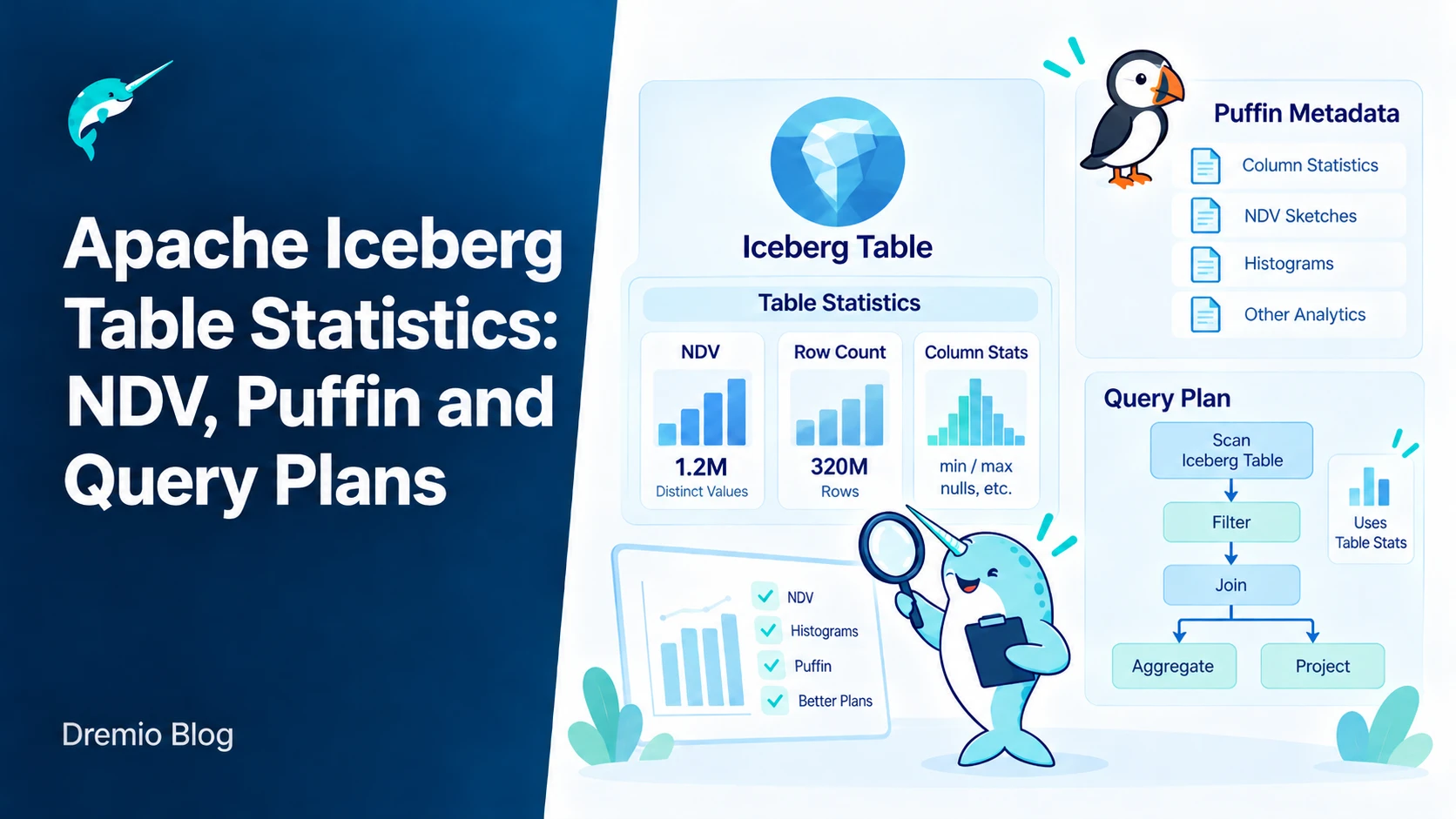
Apache Iceberg Table Statistics: NDV, Puffin and Query Plans
-
Dremio Blog: Open Data Insights
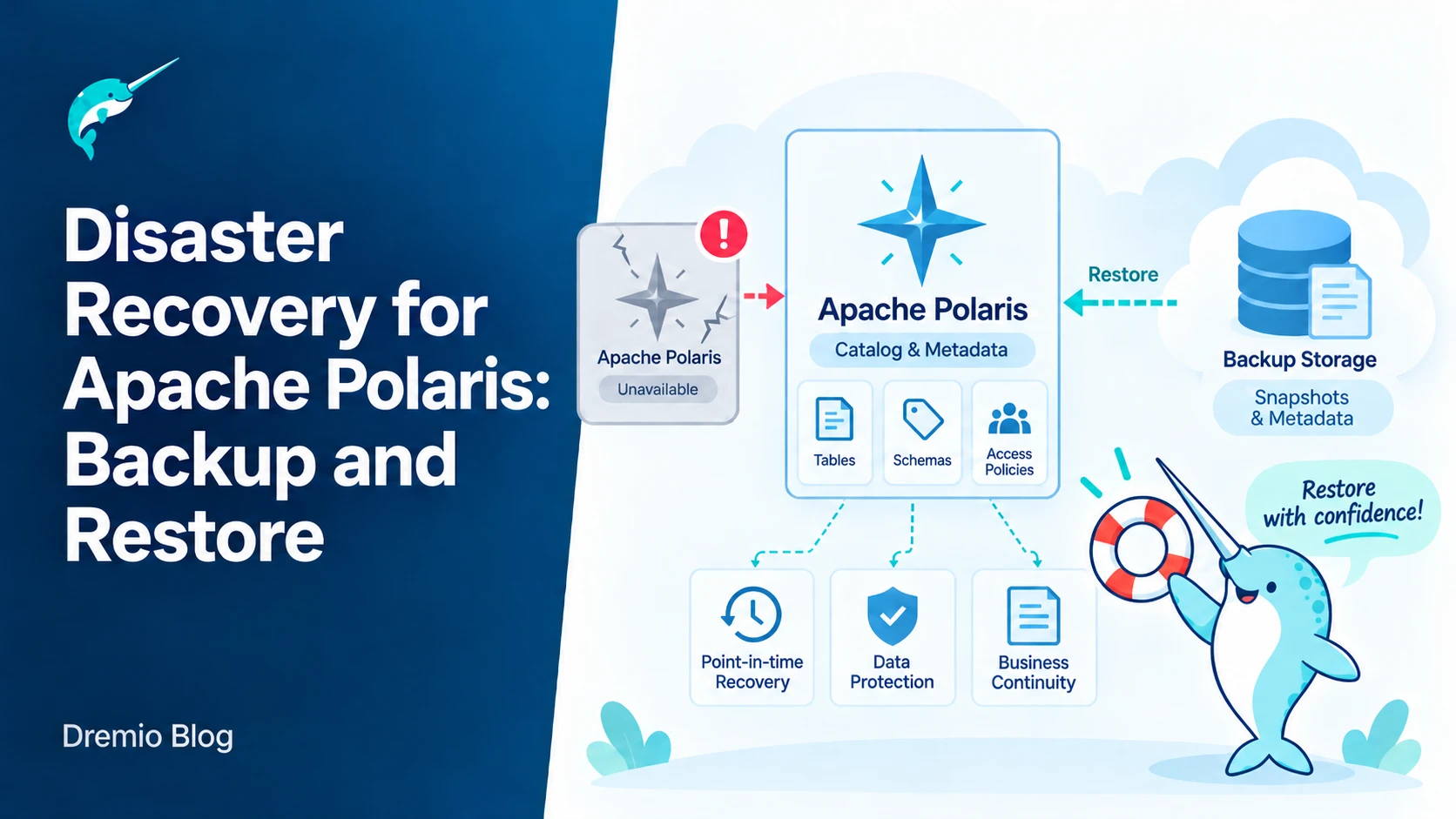
Disaster Recovery for Apache Polaris: Backup and Restore
-
Dremio Blog: Open Data Insights
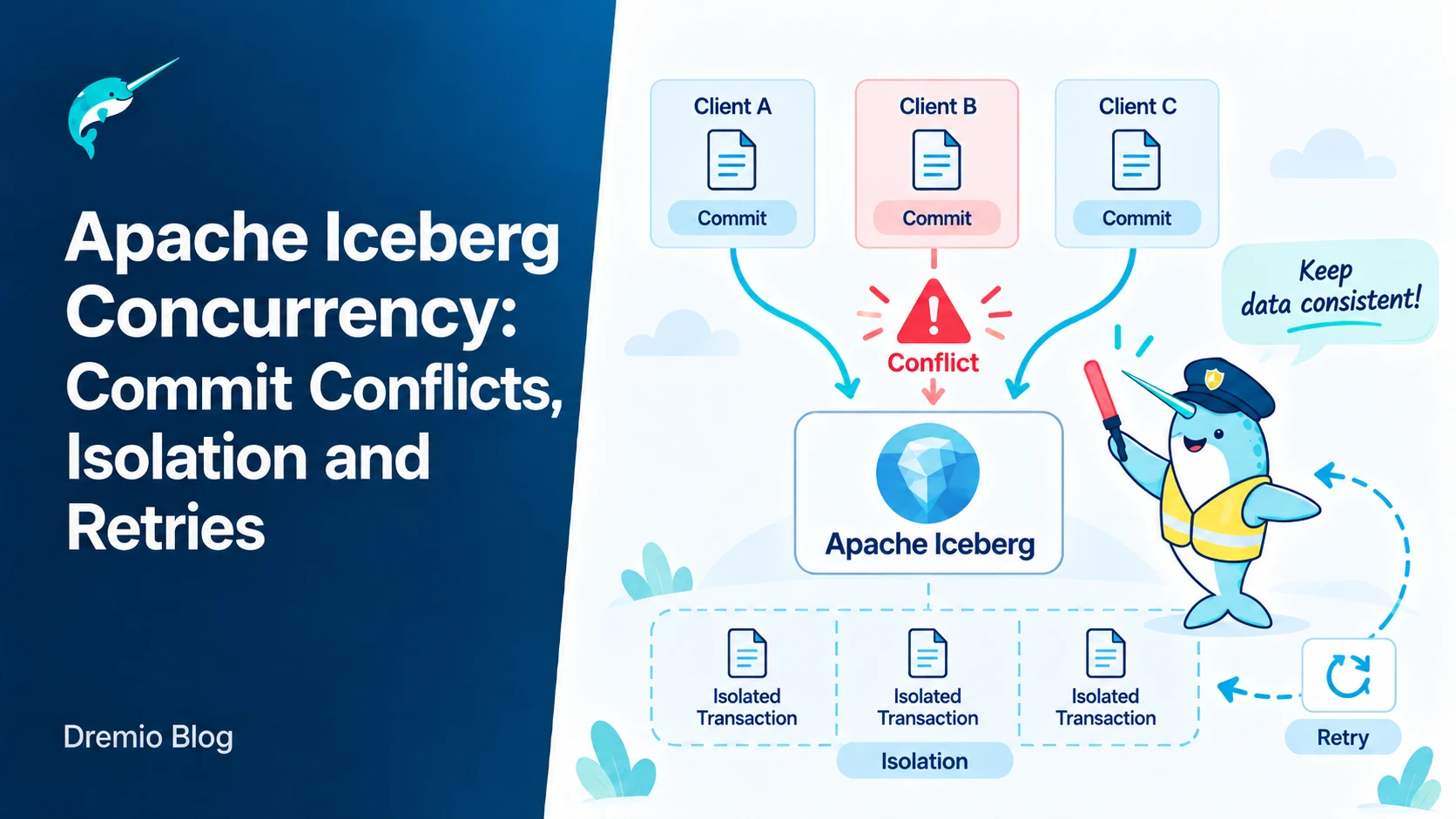
Apache Iceberg Concurrency: Commit Conflicts, Isolation and Retries
-
Dremio Blog: Open Data Insights
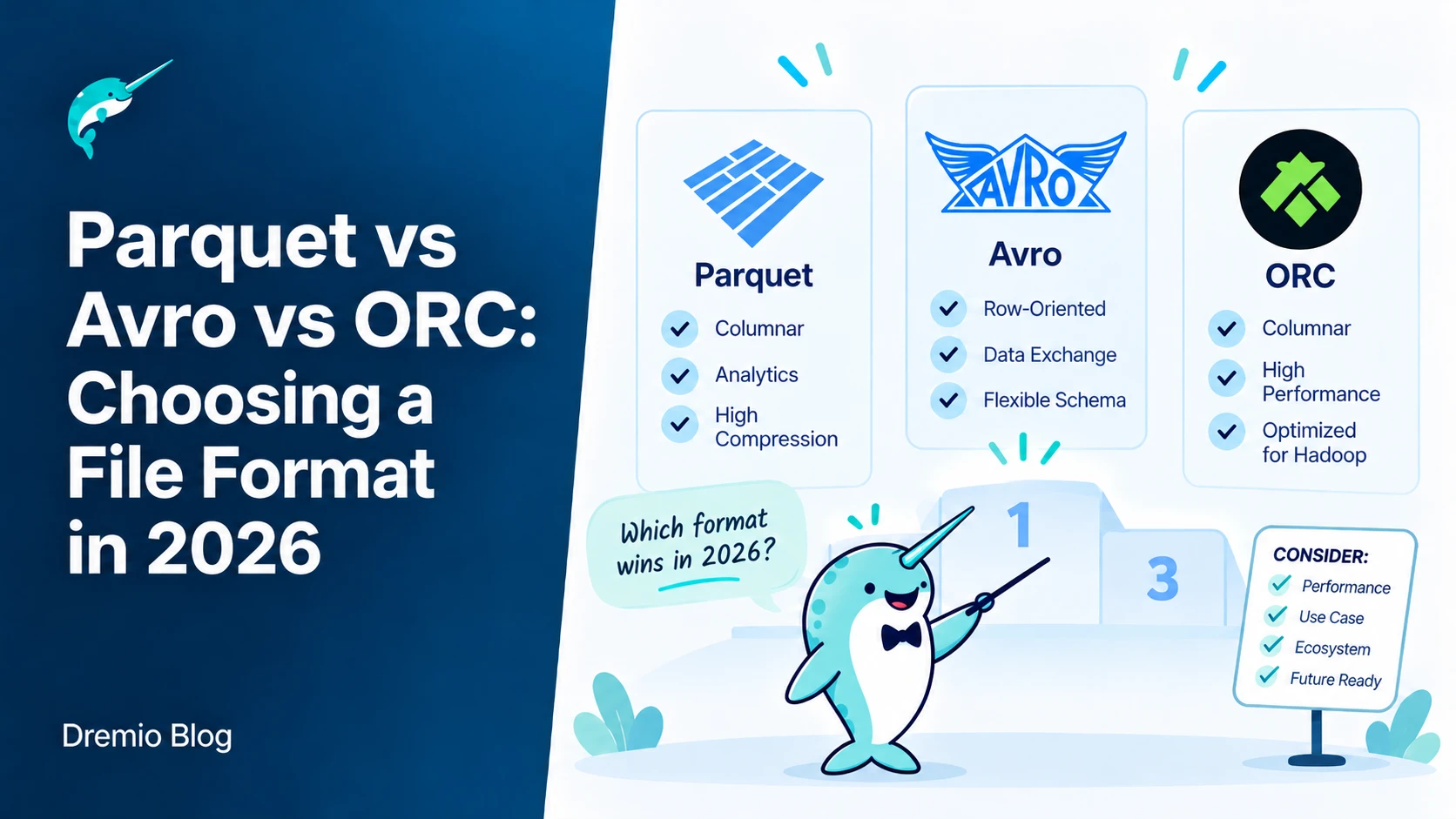
Parquet vs Avro vs ORC: Choosing a File Format in 2026
Browse All Blog Articles
-

 Dremio Blog: Various Insights
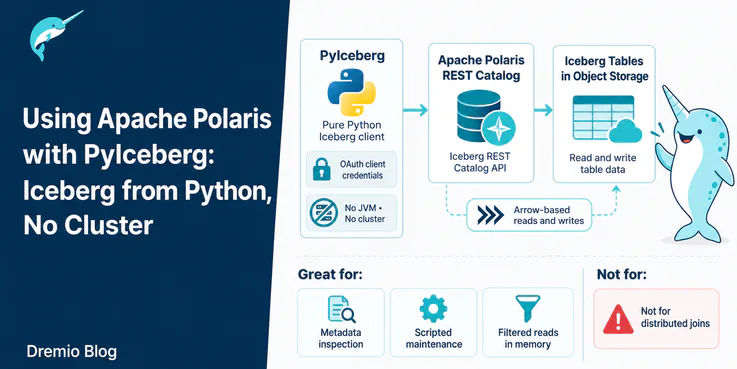
Using Apache Polaris with PyIceberg: Iceberg from Python, No Cluster
PyIceberg is a pure Python implementation of the Apache Iceberg table format. It talks to Apache Polaris over the Iceberg REST Catalog API, authenticates with an OAuth client credential, and reads and writes tables through Arrow with no JVM and no cluster. It is the right tool for metadata inspection, scripted maintenance, and filtered reads that fit in memory. It is the wrong tool for a distributed join.
-
Dremio Blog: Various Insights
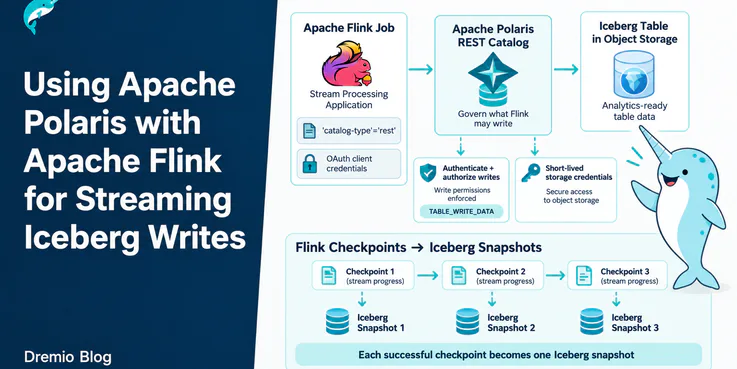
Using Apache Polaris with Apache Flink for Streaming Iceberg Writes
Apache Flink writes to Apache Iceberg tables through a catalog, and Apache Polaris is an Iceberg REST Catalog implementation, so Flink connects to it with 'catalog-type'='rest' and an OAuth client credential. Polaris authenticates the job, enforces what it may write, and hands back short-lived storage credentials. Every successful Flink checkpoint becomes one Iceberg snapshot, which is the single most important thing to understand before putting this in production.
-
Dremio Blog: Various Insights
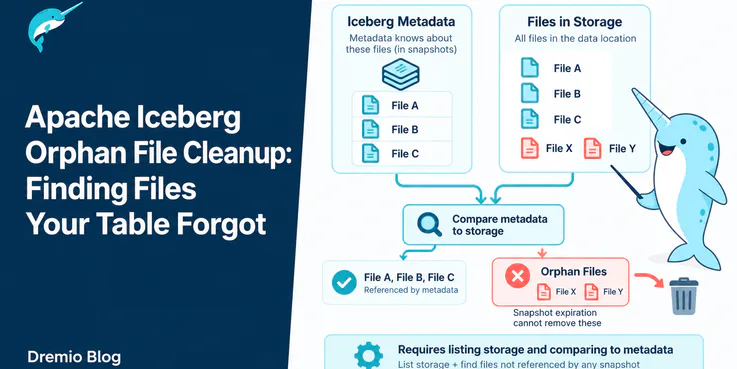
Apache Iceberg Orphan File Cleanup: Finding Files Your Table Forgot
An orphan file is a file sitting in an Apache Iceberg table's storage location that no snapshot references, past or present. It is usually the debris of a write that failed partway through. Snapshot expiration cannot remove it, because expiration works from the metadata outwards and the metadata has never heard of it. Finding orphans requires listing storage and comparing that listing against everything the metadata knows about.
-
Dremio Blog: Various Insights
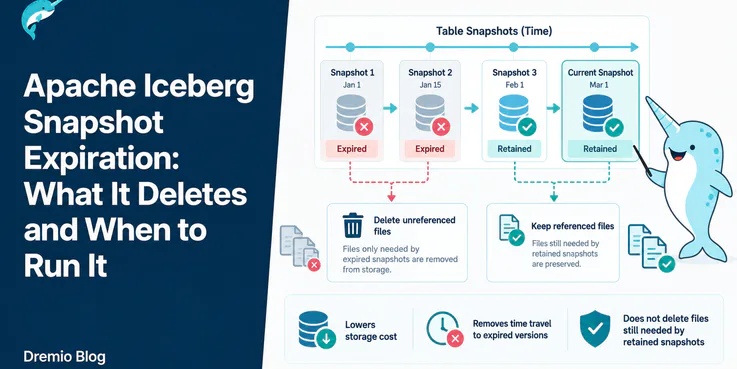
Apache Iceberg Snapshot Expiration: What It Deletes and When to Run It
Snapshot expiration is the Apache Iceberg maintenance operation that removes old table versions from metadata and deletes the data files only those versions referenced. It is the reason a delete statement eventually reduces your storage bill. It does not delete anything a retained snapshot still needs, and it costs you the ability to time travel to whatever it removed.
-
Dremio Blog: Open Data Insights
Apache Iceberg Manifest Files Explained
A manifest file is an Avro file listing data files that belong to an Apache Iceberg table, along with per-column statistics for each one. Manifests are why Iceberg can plan a query without listing directories: the engine reads partition summaries in the manifest list to skip whole manifests, then reads column bounds inside the survivors to skip individual files. Neither stage touches your data.
-
Dremio Blog: Open Data Insights
The Apache Polaris REST API: How Engines Talk to the Catalog
Apache Polaris implements the Iceberg REST Catalog specification, a set of HTTP endpoints that any Iceberg client can speak. The specification covers namespace and table management, an atomic commit protocol built on assertions rather than locks, server-side scan planning, and three different ways for a client to obtain storage access. Because the contract is the specification rather than a vendor SDK, an engine written against one implementation works against all of them.
-
Dremio Blog: Open Data Insights
Choosing an Apache Iceberg Catalog: Polaris, Gravitino, Unity, Lakekeeper and More
Choosing an Apache Iceberg catalog comes down to three questions, and the feature matrices most vendors publish do not help with any of them. Do you need more than one engine to write to the same tables? Do you need governance you do not control to be predictable? And do you need to keep the catalogs you already run while you migrate? Answer those and the field narrows from seven options to about two.
-
Dremio Blog: Open Data Insights
Access Control in Apache Polaris: RBAC and Credential Vending
Apache Polaris controls access through role-based access control with four levels: a privilege is granted to a catalog role, the catalog role is granted to a principal role, and the principal role is assigned to a principal. Privileges never attach to a person directly. The two privileges that matter most, TABLE_READ_DATA and TABLE_WRITE_DATA, are the only ones that cause Polaris to issue short-lived storage credentials, and they sit outside the metadata grant that covers everything else.
-
Dremio Blog: Open Data Insights
Apache Polaris Architecture Explained
Apache Polaris is a catalog service for Apache Iceberg. It answers the question “which files make up this table right now, and are you allowed to touch them?” Its architecture has four moving parts: an entity model that nests catalogs, namespaces and tables inside a realm, a persistence layer that stores those entities and their grants, a REST service that speaks the Iceberg REST Catalog API, and a credential broker that hands engines short-lived, path-scoped access to object storage.
-
Dremio Blog: Open Data Insights
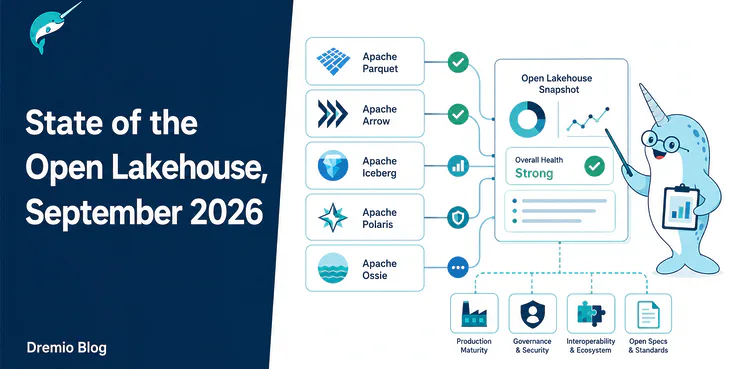
State of the Open Lakehouse, September 2026
The state of the open lakehouse in September 2026 is a stack that stopped arguing about whether it won and started dealing with the consequences of winning.
-
Dremio Blog: Open Data Insights
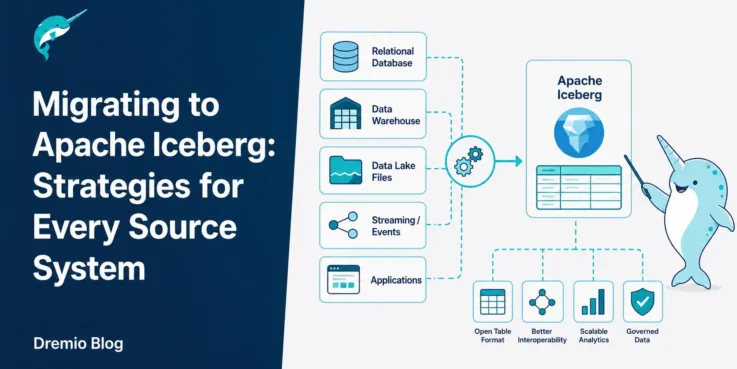
Migrating to Apache Iceberg: Strategies for Every Source System
This is Part 15, the final article of a 15-part Apache Iceberg Masterclass. Part 14 covered hands-on Dremio Cloud. This article covers the three migration strategies and how to execute a zero-downtime migration using the view swap pattern. Most organizations do not start with Iceberg. They have years of data in Hive tables, data warehouses, CSV files, databases, […]
-
Dremio Blog: Open Data Insights
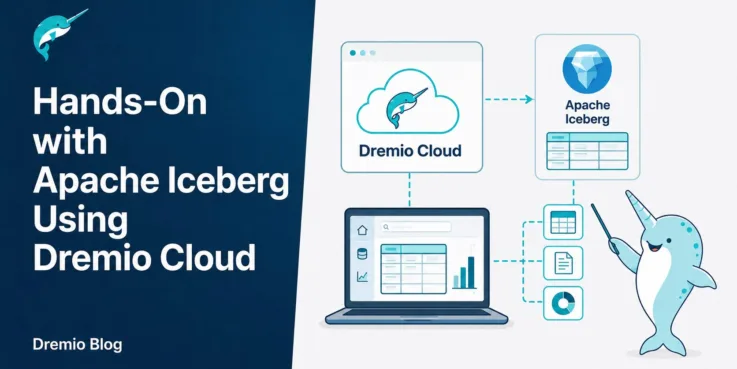
Hands-On with Apache Iceberg Using Dremio Cloud
This article is a practical walkthrough of working with Iceberg on Dremio Cloud, covering table creation, data ingestion, optimization, semantic layer construction, and AI-powered analytics.
-
Dremio Blog: Open Data Insights
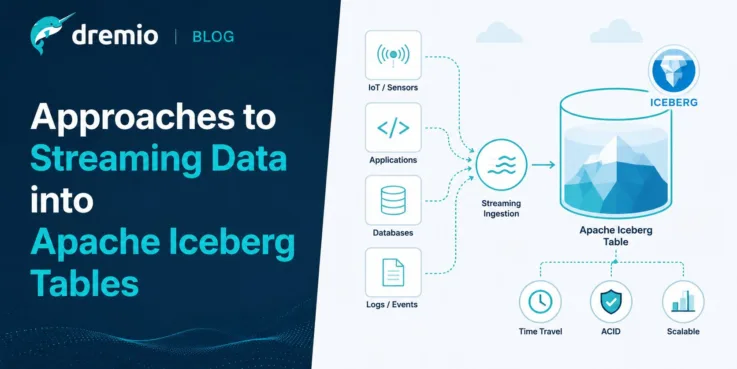
Approaches to Streaming Data into Apache Iceberg Tables
Streaming ingestion bridges this gap by committing data to Iceberg tables at regular intervals. The challenge is that frequent commits create the small file problem, and managing that trade-off between data freshness and table health is the central concern of streaming to Iceberg.
-
Dremio Blog: Open Data Insights
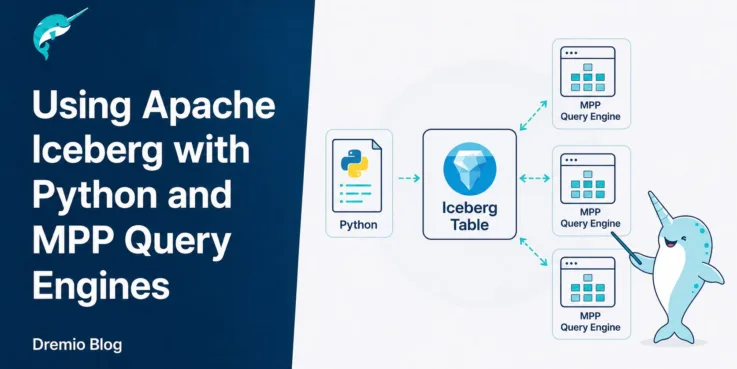
Using Apache Iceberg with Python and MPP Query Engines
This article covers the two main ways to access Iceberg data: directly from Python libraries and through MPP (massively parallel processing) query engines.
-
Dremio Blog: Various Insights
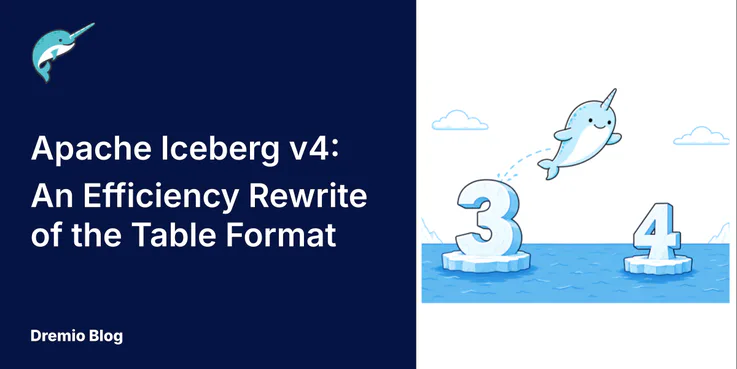
Apache Iceberg v4: An Efficiency Rewrite of the Table Format
Iceberg 1.11.0, released in May 2026, contains the full implementation of the v3 spec(ification), including features like deletion vectors, the VARIANT type, and row lineage. But what comes next? V4, obviously, as four comes after 3. However, it's still early days on the v4 spec, so we are a ways off from the next version […]




- « Previous Page
- 1
- 2
- 3
- 4
- 5
- …
- 48
- Next Page »