Dremio Unified Analytics
Unified data analytics, everywhere, for all of your users
Unified data layer for fast analytic insight, no matter where it lives
Drive business insight and innovation by putting all of your data to work. Dremio delivers a streamlined self-service analytics platform for all of your users, making it easy to move from data to insight.
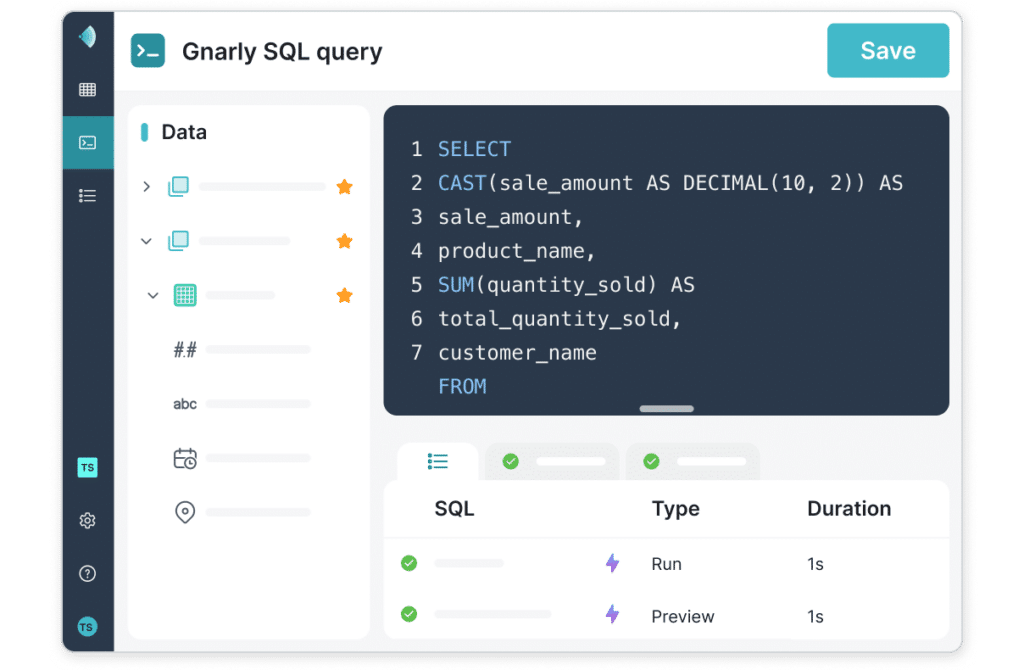
Self-service analytics platform for data-driven innovation
Dremio delivers a seamless unified data layer with visualization, federation and interactive analytics. With tailored tools for all users, our platform provides easy-to-use no-code analytics for business analysts, robust SQL capabilities for SQL developers and tight notebook integration for data scientists.
Consistent, collaborative data with a universal semantic layer
Your data needs to speak the language of your business. Dremio's Universal Semantic Layer makes it easy to define a consistent and secure view of data and business metadata that can be understood and applied by all of your users. Curate, analyze and share intuitive data views for reliable unified analytics and collaborative projects.
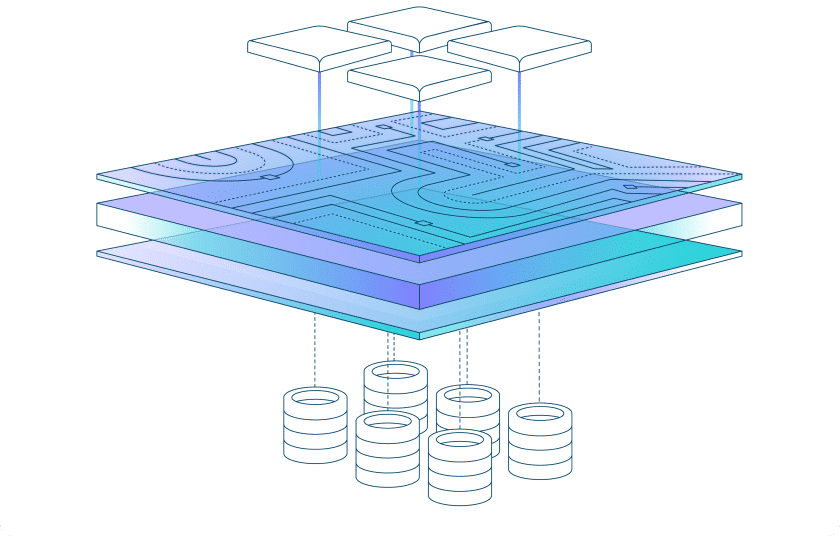
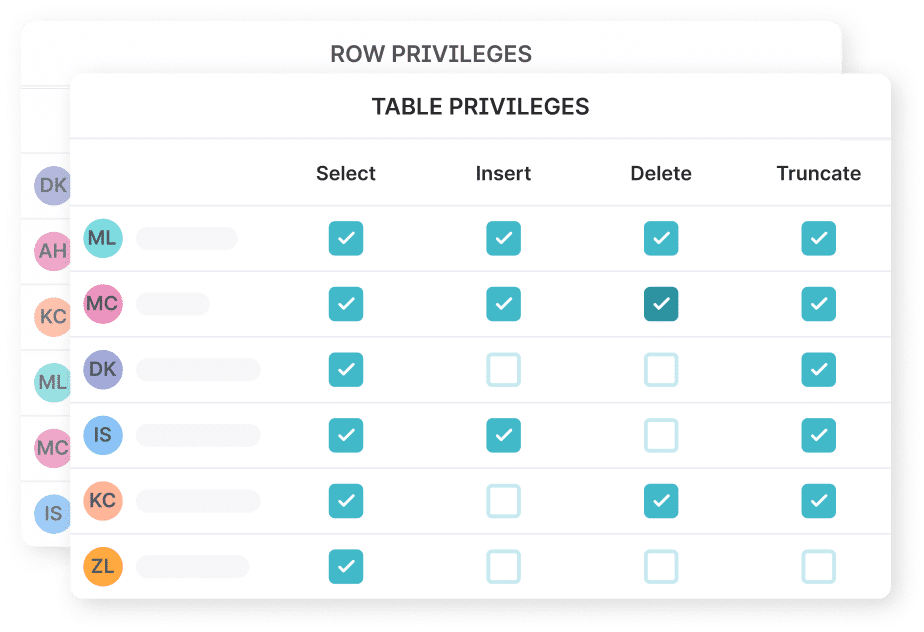
Centralized data governance to balance data access and control
Simplify and scale data governance across organizational boundaries with intuitive tools for all users. Apply role-based and fine-grained access control at every level, from raw data sources to shared and governed data views. Comprehensive access auditing and lineage create clarity on how data is being used.
Frictionless connector integrations for all your data
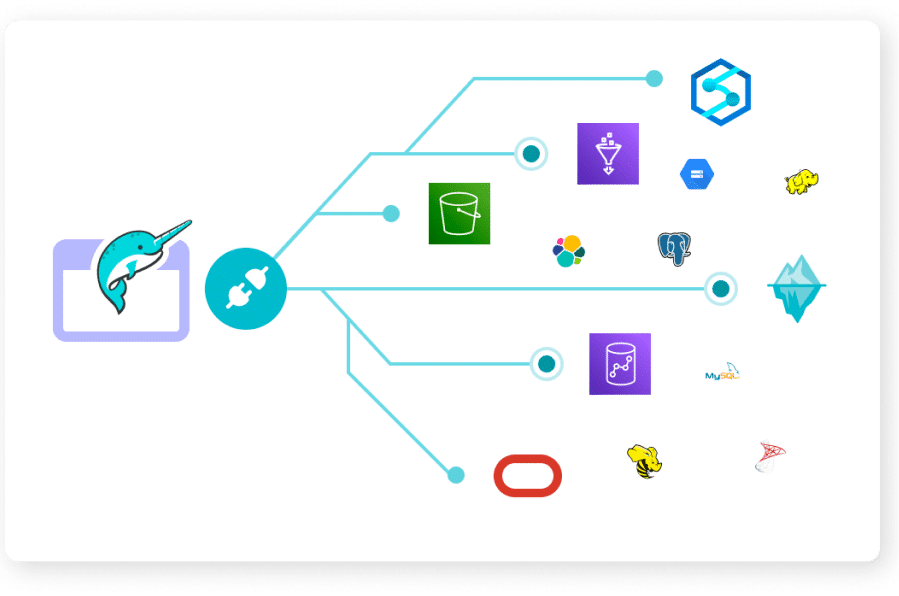
Dremio lets you analyze all of your data where it lives, with no data movement. Our connector ecosystem features dozens of integrations with an array of sources, including object storage, metastores and databases in the cloud and on premises. Our solution is also globally supported by a robust Partner Network, delivering integrations across data governance, data cataloging, identity management providers and more.
Dremio Customer Case Studies

Case Study
Improved Supply Chain with >10x Query Performance and 90% Faster Project Delivery
Dremio's data lakehouse helped Amazon achieve 10x faster query performance and reduce project completion times by 90%.
Learn more

Case Study
Reduced daily ETL processes from 30-40 minutes to 40 seconds
Memed reduced data stack cost by 10%. Analysts can run full queries in 10 minutes, saving time and delivering faster time to insight.
Learn more

Case Study
Enhanced service and revenue with Dremio to gain 360° customer view
Users can now self-serve and interactively explore 10 major data sources on an ad hoc basis using Dremio, BI platforms and data science tools.
Learn more
Frequently asked questions
A unified data layer serves as a single source of truth that enables organizations to access and query data across multiple sources without duplication or pipelines. This approach eliminates data silos and provides consistent access to information, forming the foundation of modern data architecture that supports both analytics and AI workflows.
Unified analytics brings together modern data from across an organization to deliver consistent insights without requiring data movement or complex ETL processes. This approach ensures consistency in analysis and reporting by providing a single view of business metrics and KPIs. Unified analytics enables teams to derive unified data insights faster and with greater confidence.
A unified data analytics platform connects directly to data sources and applies a consistent data model and governance layer across all information. This enables business intelligence teams and AI agents to query data in place, eliminating the need for data copies while maintaining performance and security. The platform accelerates data analytics by providing instant access to trusted, contextual data.
A self-service analytics platform empowers users to access and analyze complex data without relying on IT or data engineering teams. By providing business friendly tools and interfaces, these platforms reduce time-to-insight and free technical teams to focus on strategic initiatives. The right solution for analytics democratizes data access while maintaining governance and accuracy.
A semantic layer translates technical data structures into business logic that both humans and AI can understand. It provides consistent definitions, metrics, and context that BI tools and agents use to deliver accurate insights. This layer ensures everyone—from analysts to AI agents—interprets data the same way, enabling faster and more reliable decision-making. Learn more about semantic layers.
A universal semantic layer is essential to unified analytics because it provides the business context and consistent data structure needed to interpret information correctly across all sources. By embedding metadata, definitions, and relationships directly into the data access layer, it enables AI agents and business users to find the right data and derive accurate insights instantly. This creates a foundation for trusted self-serve semantic layer capabilities that scale across the organization.