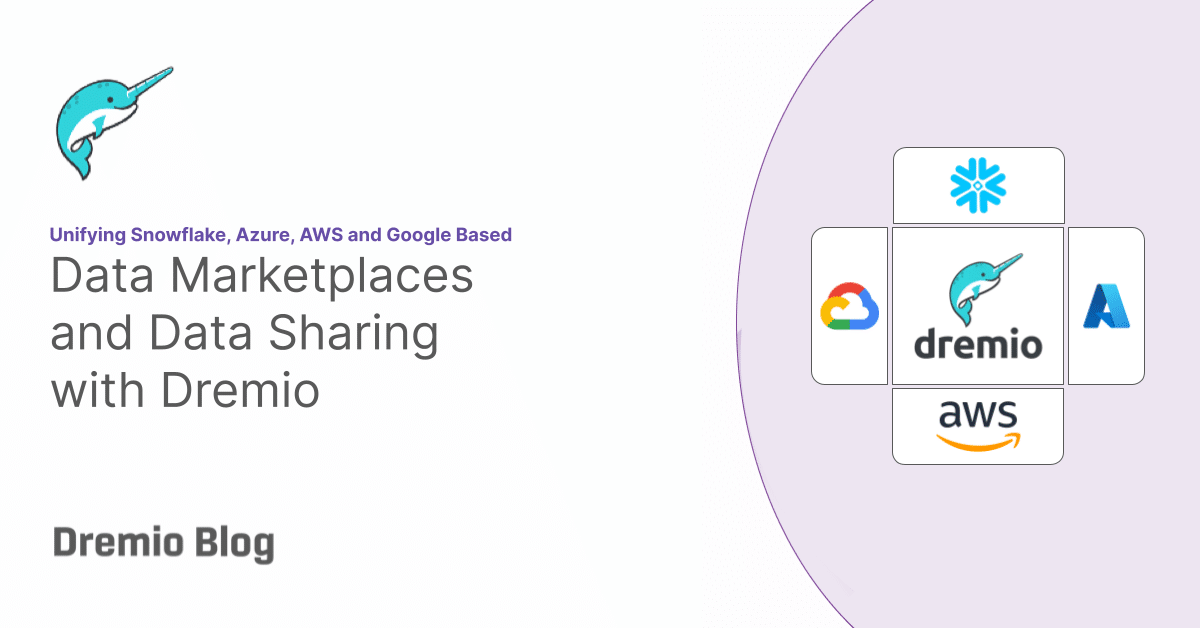
Data marketplaces have become invaluable resources for enriching internal data. These platforms offer a wealth of datasets that can enhance analytics and decision-making processes.
However, a significant challenge arises as each marketplace typically requires you to access data from their specific storage solutions. This often necessitates moving data into their systems or transferring their data into your primary storage, leading to complex and costly data movement.
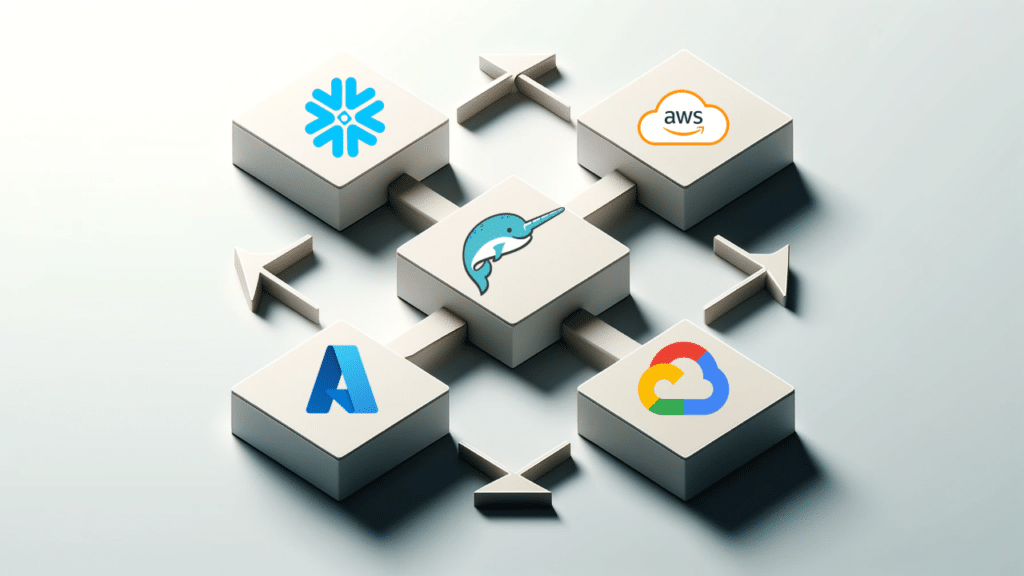
The Dremio Lakehouse platform addresses these challenges by providing a unique layer for querying data in place. This allows you to enrich your internal data with marketplace datasets without the hassle of managing intricate data transfers.
Additionally, Dremio's reflections can significantly reduce egress costs when accessing data across multiple clouds. This article will explore how Dremio simplifies data unification across Snowflake, Azure, AWS, and Google based data marketplaces.
Dremio boasts a powerful SQL query engine, allowing you to federate queries across all your data sources. Its data reflections are a standout feature, accelerating query performance by providing optimized data access paths. Additionally, Dremio offers comprehensive lakehouse management, integrating an Apache Iceberg catalog with automatic optimization and cleanup. It also includes Git-like capabilities for data, empowering cutting-edge DataOps practices. With these features, Dremio simplifies and enhances managing and analyzing data from multiple sources.
Try Dremio’s Interactive Demo
Explore this interactive demo and see how Dremio's Intelligent Lakehouse enables Agentic AI
Addressing Egress Fees in Multi-Cloud Unification
While Dremio enables you to connect and unify data from various sources seamlessly, it doesn't immediately eliminate the egress costs and penalties of moving data out of different cloud vendors' networks. This is where Dremio truly shines. By enabling reflections at the flip of a switch on these connected datasets, Dremio creates an Apache Iceberg-based representation of the dataset on your primary data lake. When users query the original data source, Dremio swaps it out and periodically refreshes the reflection to capture data changes. This approach means that queries won't have to move data in and out of multiple cloud providers, thereby preventing egress costs. Additionally, the datasets from different connected platforms remain visible and manageable within Dremio, reducing the complexity of data management across cloud environments.
In conclusion, Dremio offers a powerful solution for unifying data across Snowflake, Azure, AWS, and Google based data marketplaces while mitigating egress costs and simplifying data management. By leveraging Dremio's reflections and advanced lakehouse capabilities, you can enhance your analytics without the hassle of complex data movements. We invite you to get hands-on and explore the full potential of Dremio through the tutorials listed below. Discover how Dremio can transform your data operations and take your analytics to the next level.
Tutorials for Trying Out Dremio (all can be done from locally on your laptop):
Ingesting Data Into Apache Iceberg Tables with Dremio: A Unified Path to Iceberg
By unifying data from diverse sources, simplifying data operations, and providing powerful tools for data management, Dremio stands out as a comprehensive solution for modern data needs. Whether you are a data engineer, business analyst, or data scientist, harnessing the combined power of Dremio and Apache Iceberg will undoubtedly be a valuable asset in your data management toolkit.
Oct 12, 2023·Product Insights from the Dremio Blog
Table-Driven Access Policies Using Subqueries
This blog helps you learn about table-driven access policies in Dremio Cloud and Dremio Software v24.1+.
Aug 31, 2023·Dremio Blog: News Highlights
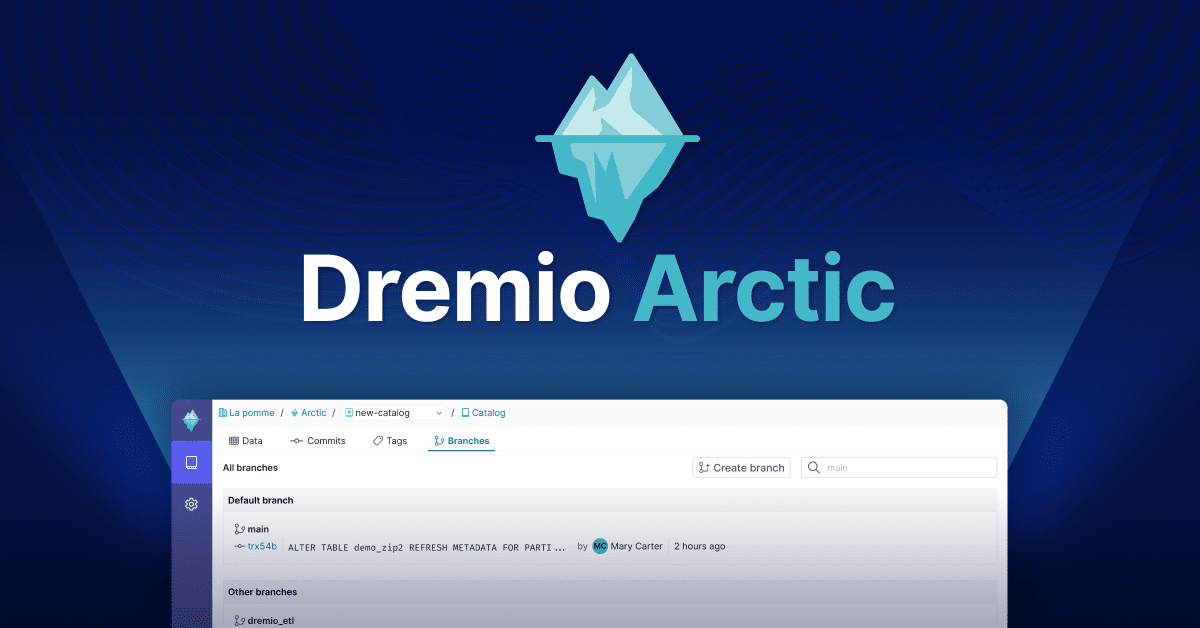
Dremio Arctic is Now Your Data Lakehouse Catalog in Dremio Cloud
Dremio Arctic bring new features to Dremio Cloud, including Apache Iceberg table optimization and Data as Code.