
Amazon modernized its data lake with Dremio's open lakehouse platform, eliminating data silos and accelerating analytics across its cloud infrastructure, with data staying in S3 throughout.

Iceberg Lakehouse
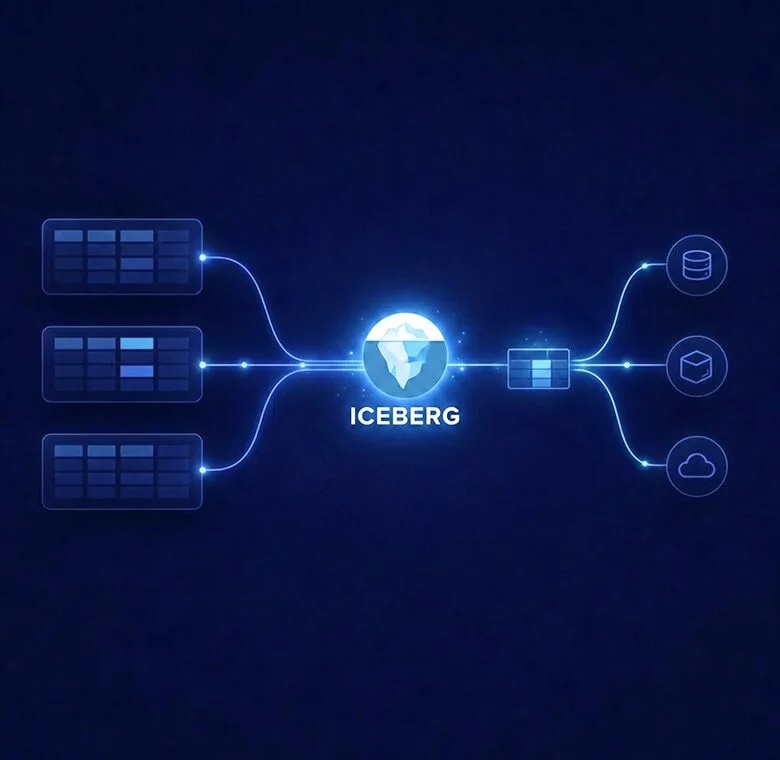
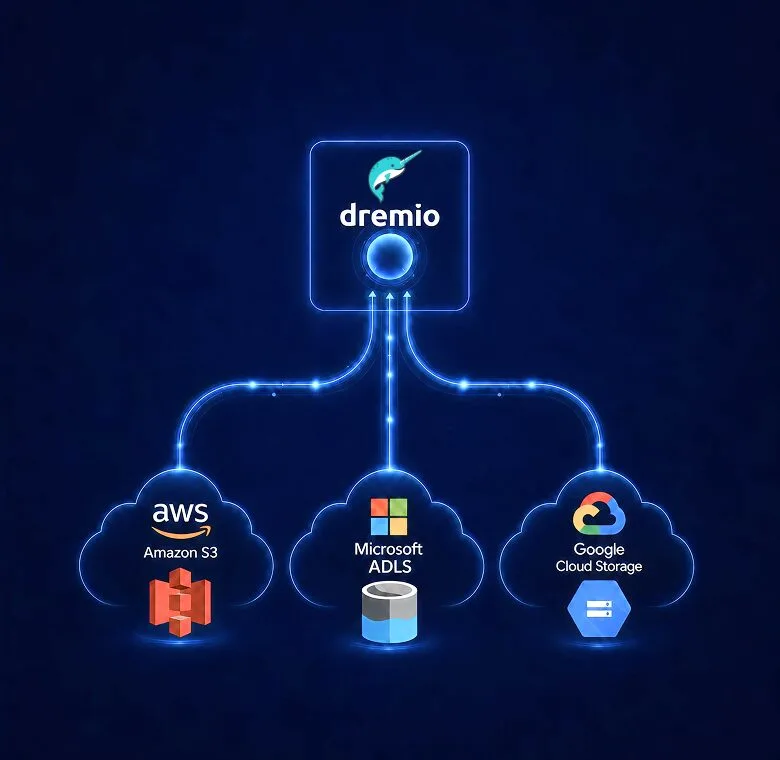
Dremio transforms any S3, ADLS, or GCS data lake into a fully managed Iceberg lakehouse, with open catalog, autonomous optimization, and AI-ready access, while your data stays exactly where it is.
Trusted by data teams modernizing to Apache Iceberg








WHY TEAMS CHOOSE DREMIO

Built on the open lakehouse standards Dremio co-created, not adapted or bolted on.
Explore Apache Iceberg →
Autonomous optimization improves query speed continuously, with no DBA or manual work required, and up to 20x lower total cost than proprietary data warehouses.
Learn about Agentic Analytics →

One consistent access layer for every team, BI tool, and AI agent in your organization.
Explore the AI Semantic Layer →
HOW IT WORKS
Point Dremio at your S3, ADLS, or GCS bucket. Dremio catalogs existing Parquet, ORC, and JSON files immediately. No data movement, no pipeline work, no waiting. Queries against existing files start returning results from day one.
Convert tables to Apache Iceberg format at your own pace with Dremio’s in-place migration tooling. High-priority tables migrate first; others stay queryable in their original format. Zero downtime, no schema lock-in, and full compatibility with every engine reading through Apache Polaris.
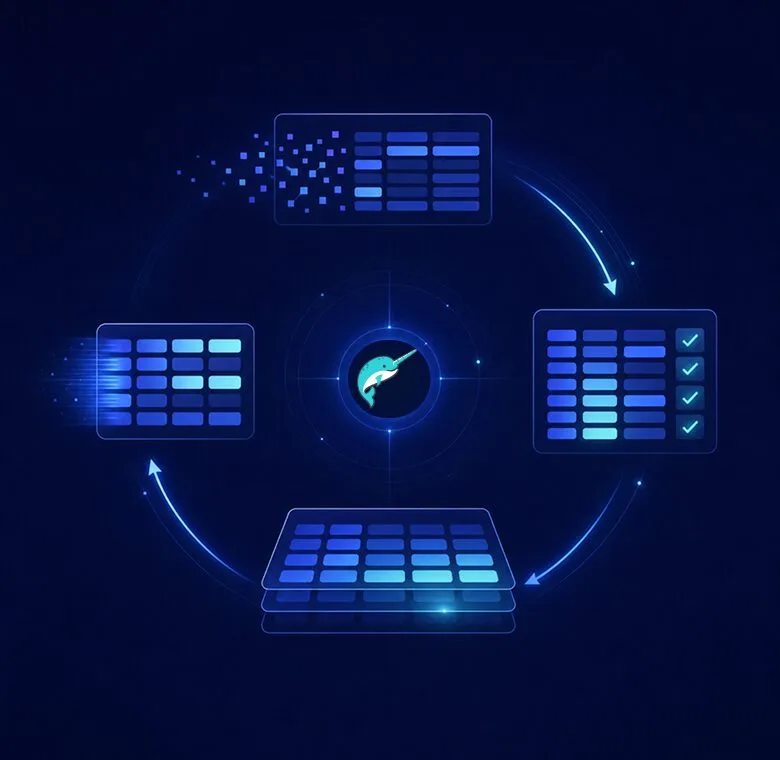
Once tables are in Iceberg, Dremio’s Automated Table Optimization runs clustering, compaction, and vacuum continuously. Query performance improves over time with no manual intervention, no scheduled jobs, and no DBA overhead.
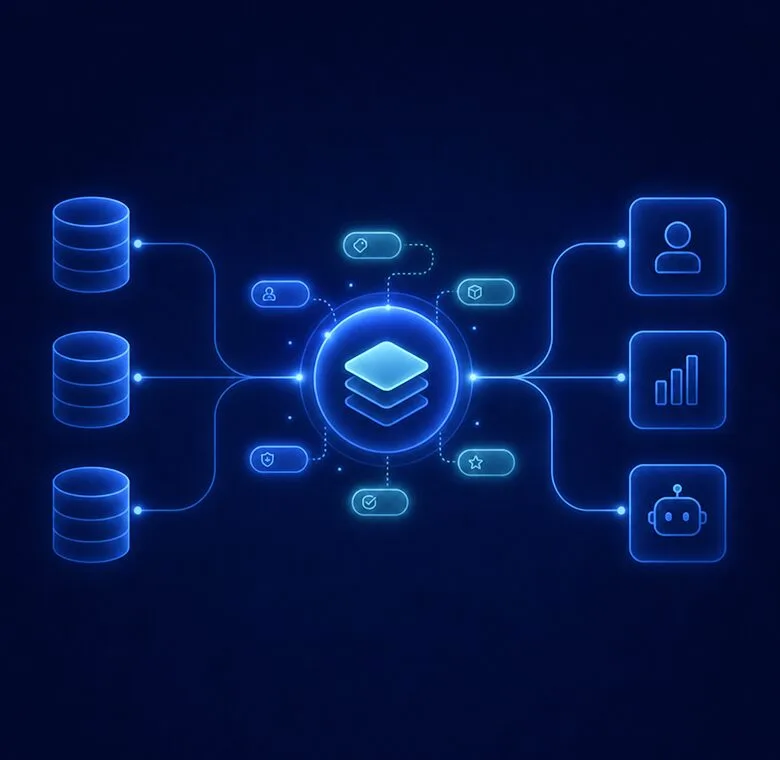
Dremio’s AI Semantic Layer generates wikis and labels for every dataset automatically, creating a shared vocabulary for analysts, data scientists, and AI agents. Every team queries the same source of truth without asking data engineering to translate first.
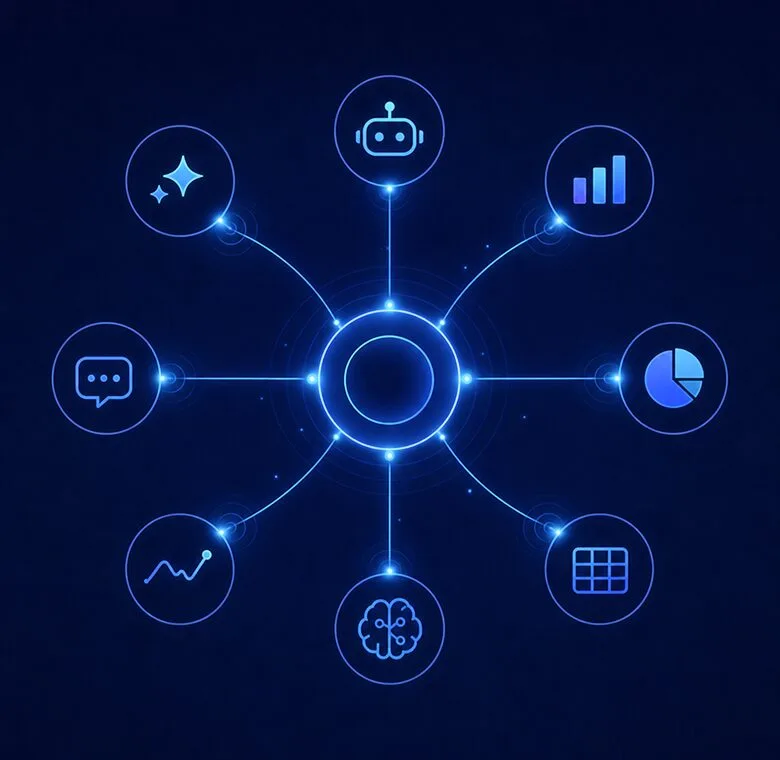
Your Iceberg lakehouse is ready for the agentic era. One-click MCP integrations connect Claude, GPT, and custom agents directly to governed data. Existing BI tools like Tableau, Power BI, and Looker plug in through standard SQL with no migration required.

CUSTOMER STORIES



FAQs
Everything you need to know about migrating to an Iceberg Lakehouse with Dremio.
A traditional data lake stores files (Parquet, ORC, CSV) with no built-in table semantics. An Iceberg Lakehouse adds ACID transactions, schema evolution, time travel, and multi-engine interoperability on top of those same files, without moving data out of cloud storage. You get data warehouse reliability at data lake cost and flexibility, with full openness and no proprietary format lock-in.
Dremio provides in-place migration tooling that converts existing Parquet and ORC tables to Apache Iceberg format, table by table, at your pace. There is no big-bang cutover. Both old and new formats remain queryable through the same SQL interface throughout. Dremio’s Polaris Catalog keeps all metadata consistent, and every engine reading from Polaris sees a unified view of your data estate.
No. Dremio is designed for incremental migration. Connect your existing lake on day one, start querying immediately, and migrate individual tables to Iceberg as your team is ready. High-value tables that benefit most from performance improvements migrate first. Archival or low-traffic data can stay in its original format indefinitely. Dremio queries both old and new formats through the same interface.
Dremio uses two layers of automatic optimization. Automated Table Optimization continuously manages the physical layout of your Iceberg tables, running clustering, compaction, and vacuum based on data patterns. Autonomous Reflections monitor actual query patterns and create optimized data structures that transparently accelerate future queries, with no changes needed to your SQL. Both run in the background with zero manual configuration.
Yes. Dremio’s one-click MCP (Model Context Protocol) integrations let any AI agent (Claude, GPT, or a custom-built agent) query your Iceberg tables directly through a governed, semantic interface. The AI Semantic Layer provides the business context agents need to generate accurate, trusted answers. Fine-grained access controls in Polaris Catalog ensure agents only see data they are authorized to access.
DISCOVER RESOURCES
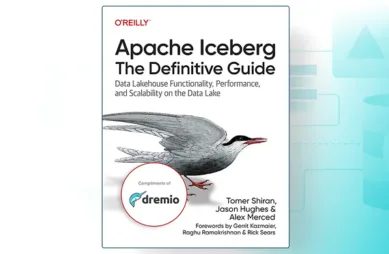
Data Lakehouse Functionality, Performance and Scalability on the Data Lake
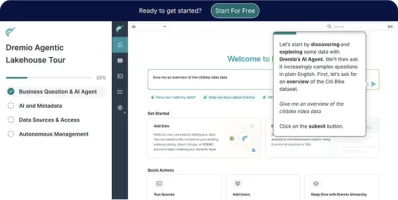
Explore this interactive demo and see how Dremio’s Agentic Lakehouse powers AI and BI workloads.
Optimize Your Data Strategy with Best Practices from Industry Research


