COMMUNITY BUILT FOR DREMIO
Extend Dremio. Query everything. Analyze anything.
Community-built connectors and SQL functions that expand Dremio's federated query capabilities and unlock advanced analytics. Free, open source, and built by the people who use Dremio every day.
CONNECTORS
Connect Dremio to more. Query it all with SQL.
Nine community-built storage plugins extend Dremio's federated query reach far beyond official connectors, from real-time streaming systems to NoSQL stores to legacy spreadsheets.
ClickHouse
ARP/JDBC integration with extensive function pushdown. Supports ClickHouse Cloud for high-performance analytical queries at scale.
Apache Kafka
Exposes Kafka topics as bounded tables with JSON and AVRO schema support. Query streaming data directly from Dremio without a separate pipeline.
Apache Cassandra
Native CQL connector with predicate and projection pushdown. Brings Cassandra's distributed wide-column store into Dremio's federated query fabric.
Apache Hudi
Read COW and MOR Hudi tables directly from S3 or HDFS. No Spark required. Query your Hudi lakehouse through standard SQL.
Delta Lake
Access Delta Lake tables without Spark or Databricks. Read Delta format natively and join it with any other source in Dremio.
Apache Pinot
Expose real-time Pinot tables through ARP/JDBC. Bring sub-second OLAP queries into Dremio's unified query layer.
Amazon DynamoDB
Native DynamoDB queries with partition key routing optimization. Query operational NoSQL data alongside your lakehouse without moving it.
Splunk
Access Delta Lake tables without Spark or Databricks. Read Delta format natively and join it with any other source in Dremio.
Excel / CSV Importer
Web UI for importing spreadsheets directly to Iceberg tables in Dremio. Turn ad-hoc files into queryable, governed lakehouse assets in seconds.

SQL FUNCTIONS
202 new SQL functions. Advanced analytics, right in Dremio.
Four specialized function libraries that bring geospatial analysis, vector similarity search, machine learning scoring, and PII protection directly into SQL. No external tools required.
Geometry operations and hexagonal H3 grid indexing for spatial queries. Analyze location data at any scale without leaving SQL.
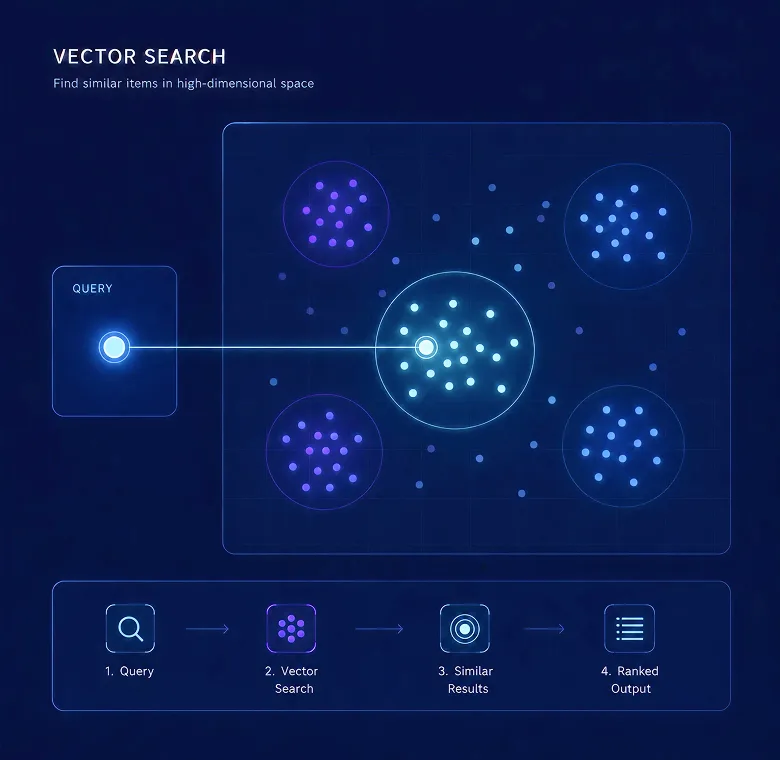
Semantic similarity search via cosine distance, normalization, and embedding operations. No external vector database needed.
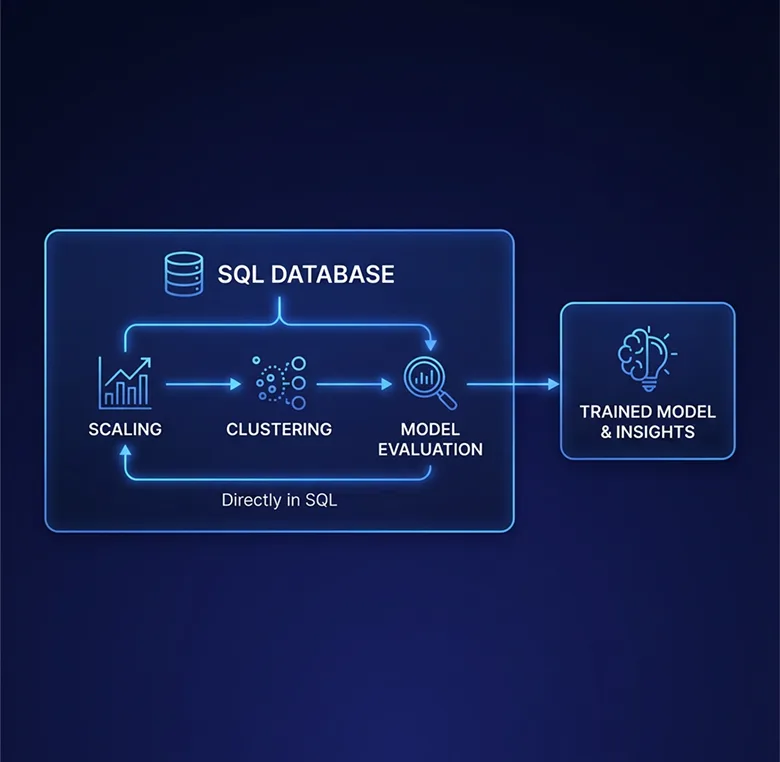
Classical ML inside SQL: activation functions, z-score and min-max scaling, clustering assignments, and model evaluation metrics.
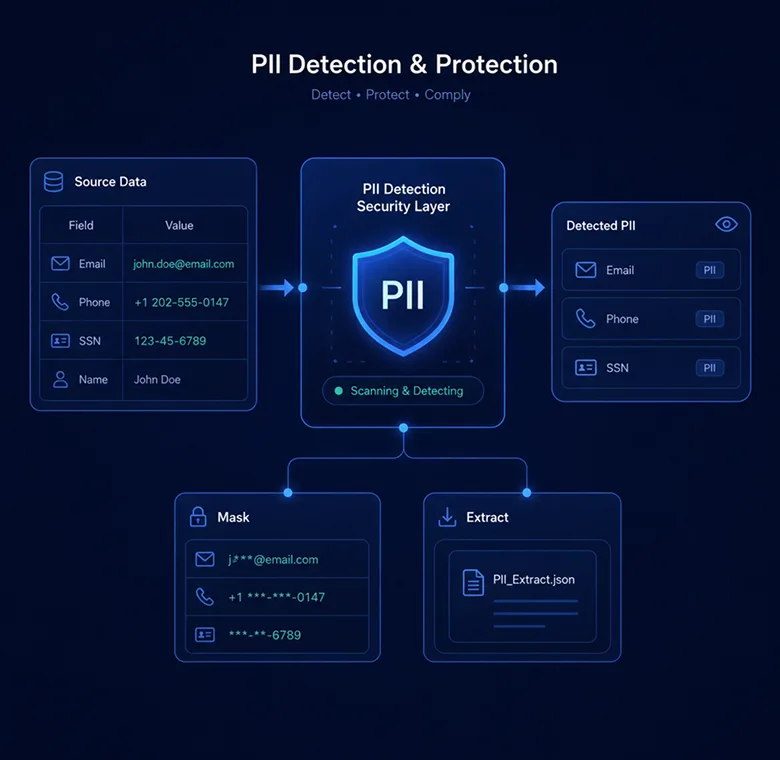
Detect, mask, and extract sensitive data across 15 PII types, all in SQL. Protect personal data without moving it out of Dremio.


USE CASES
Open up what Dremio can reach.
Combine connectors and UDFs to build analytics pipelines that were not possible before, all through standard SQL.

Location intelligence
Join DynamoDB operational records with geospatial UDFs to run H3 hex-grid analysis on customer locations. No GIS tool required.

AI-ready data access
Use the Vector UDF to run semantic similarity queries on embeddings stored in any Dremio source. Bring AI-scale search to your lakehouse.

Privacy-safe analytics
Use the Vector UDF to run semantic similarity queries on embeddings stored in any Dremio source. Bring AI-scale search to your lakehouse.

In-database ML scoring
Score models, normalize features, and evaluate predictions directly in SQL. No Python runtime, no data movement, no pipeline complexity.

Real-time + historical joins
Join live Kafka or Pinot data with historical Hudi or Delta Lake tables in a single Dremio query. One SQL engine, every source.

Spreadsheet to lakehouse
Import business team Excel files directly to governed Iceberg tables. Stop emailing CSVs and start querying them alongside everything else.
INSTALLATION
Simple to install. Easier to use.
Both libraries ship as JAR files with automated install scripts. No rebuilding Dremio. No complex configuration required.

Connectors
Each connector includes an install.sh that supports Docker, bare-metal, and Kubernetes. A rebuild.sh utility handles version upgrades automatically.
UDFs
Pre-built JARs: copy to your Dremio jars/3rdparty/ directory and restart. Docker users deploy with a single docker cp command.


